Have you ever wondered the amount of power Napoleon in Animal Farm acquired? Or why was he able to do so?
Thankfully, Napoleon’s power in Animal Farm can be modeled with a mathematical equation. It gives us a quantitative sense of his power’s growth, helping us better understand the story’s meaning. His power can be modeled mathematically using a variety of factors such as propaganda, culture, coercion, and ignorance.
Background
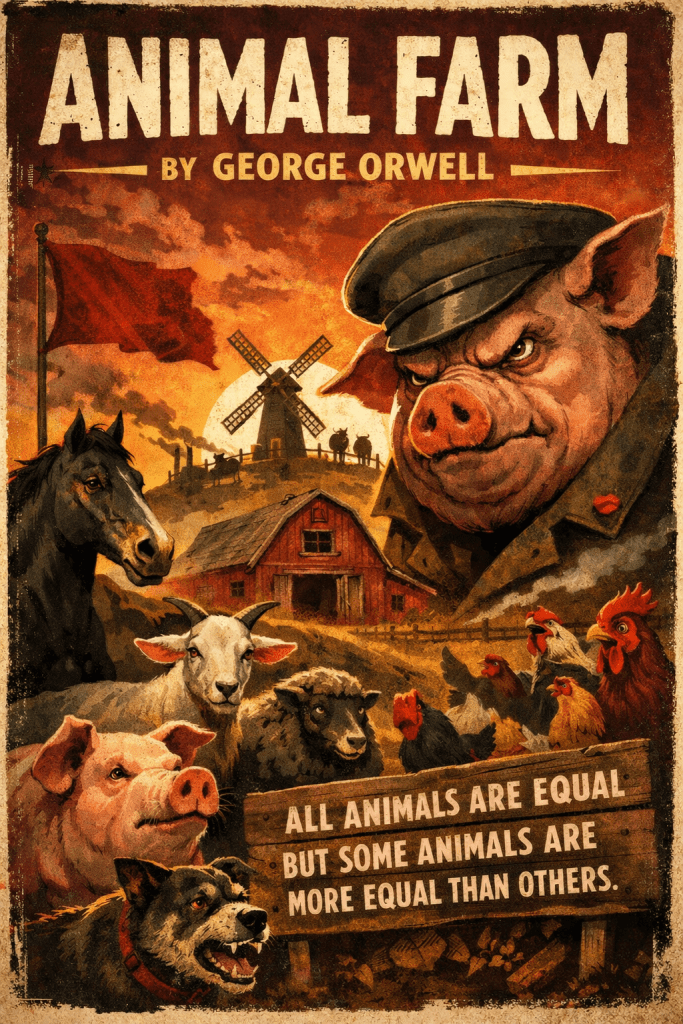
Animal Farm is a short novella by George Orwell published in 1945. It uses the story of animals on a farm overthrowing a human farmer as an allegory for Stalinist Russia. The animals wanted justice, so they fought for a farm where they could all be free and unoppressed. Eventually, this goes wrong because the majority of the animals are too uneducated to understand the changes happening, and a rising ruler, Napoleon the pig, establishes a totalitarian farm. The animals begin to mimic the same dynamics as before: one class of animals oppressing the other. Each character represents a group of people or a person in Stalinist Russia. Napoleon represents Joseph Stalin in this novella. While Napoleon seems very powerful, he wasn’t always that way. It began slowly, ever since the animals overthrew Mr. Jones, their owner. And Napoleon couldn’t have done it without other factors aiding him.
P(t): Napoleon’s Power
P(t) represents Napoleon’s power, which increases over time. These are the primary factors that contributed to Napoleon’s increase in power through a mathematical function.
(Insert Picture)
One of the factors that contributes to the increase of P(t) is propaganda, which we will call n(t). A pig named Squealer uses propaganda tactics such as misinformation, ethos, logos, and pathos. For example, Squealer reads off appealing, hopeful statistics to show that the farm is improving, even though the animals are overworked and starving. Therefore, the oppressed animals don’t fight back. Logically, the statistics that Animal Farm is doing better keep them working hard despite them knowing that they are suffering. Art forms are used as propaganda as well. The sheep repeat what they are taught, and they sing chants to dissuade others from dissenting (Four legs good, two legs bad).
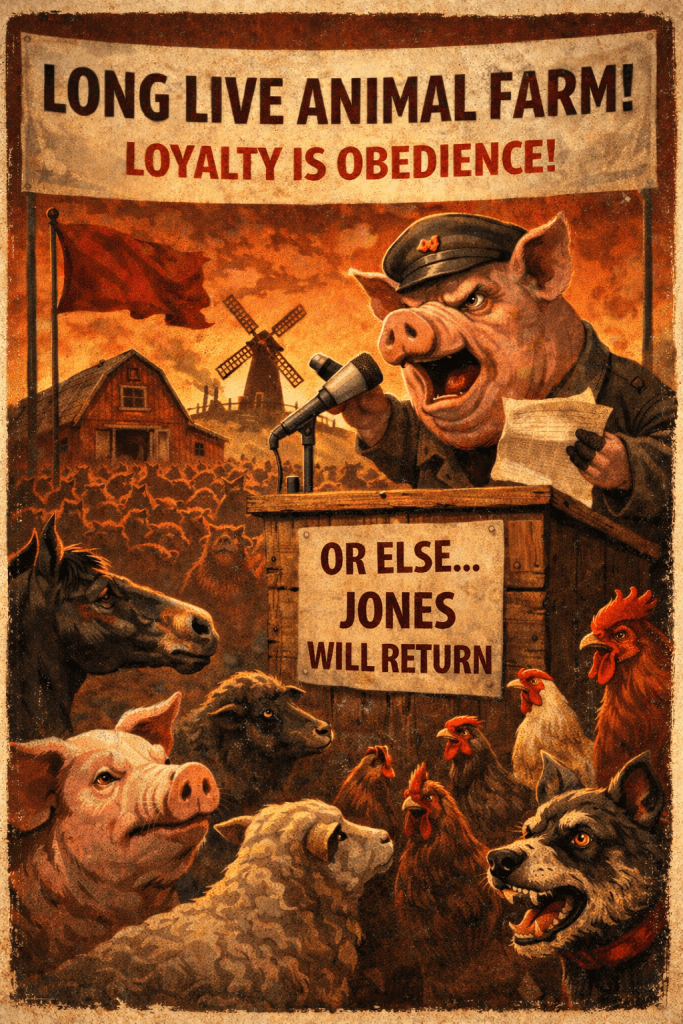
Culture (c(t)) is another major cause of Napoleon’s rise. The definition of culture for this function is the acceptance of oppression as normal. For instance, when Snowball, an idealistic pig who wanted everything to be better for everyone, was kicked off the farm, Squealer told lies about him, calling him a traitor and saying he ruined the windmill. Snowball was then blamed for anything that went wrong. The animals blamed Snowball for anything and everything, although Snowball had already left the farm. This eroded Snowball’s good name, and erased from the memories of many the good things that Snowball did. It simplified the narrative to focus only on Napoleon and reduced the risk of others challenging him. This is because now Snowball, his major opponent, had a tarnished reputation and was not present to encourage resistance.
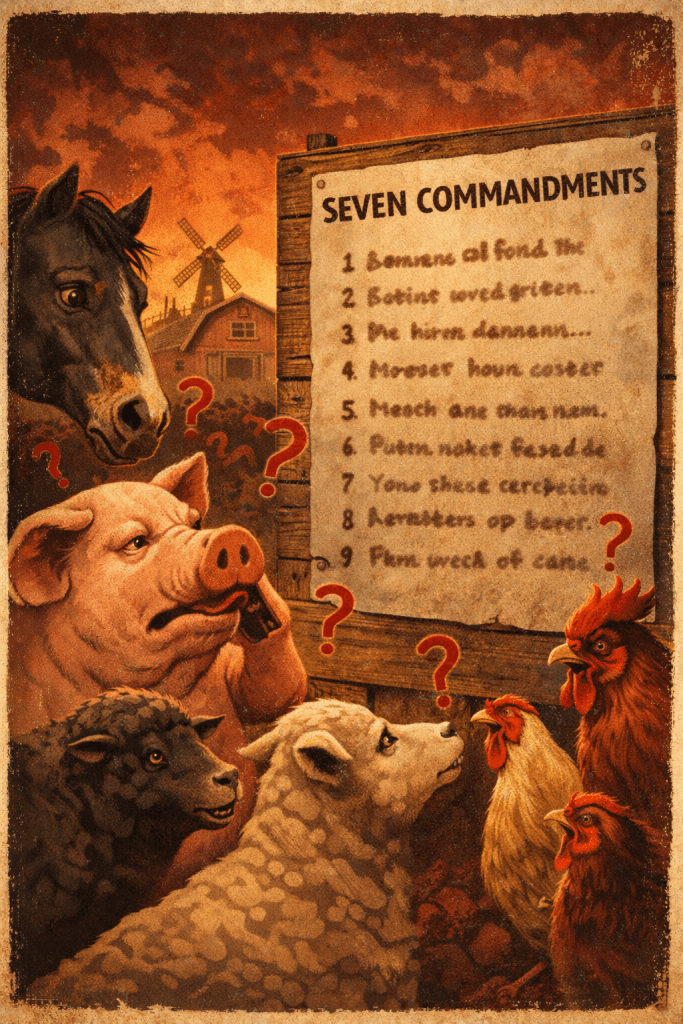
The animals’ ignorance (It) in Animal Farm is another reason Napoleon’s power grew so quickly. At the beginning, the animals could hardly read, save for the pigs, who are the ruling class, and Benjamin the donkey. The lack of education plays to the pigs’ advantage because they erase and gradually rewrite the original rules of Animal Farm. No one could challenge the rules if they could not comprehend them. This ignorance allows Squealer to spread propaganda without challenge, which eventually solidifies into culture.
Finally, coercion (vt) boosted Napoleon’s power. This includes the mass killings from Napoleon’s dogs, punishment for rebellion, and Squealer’s use of fear as a manipulation tactic. Coercion prevented the working class of animals from rising against the regime. Once the animals saw that they could be killed or starved if they resisted Napoleon’s regime, many of them obeyed without resistance, further increasing Napoleon’s power.
Both culture and propaganda are dependent on each other. Propaganda eventually creates culture, while culture is needed to maintain the propaganda. Without propaganda, culture cannot exist because there would be no pride in the norms one lives by, and vice versa: without culture, no one would believe the narratives told by those in power, because there is no defined power (no culture to define that). If one of the functions were equal to 0 at any point, the other function would not exist. This is why these two functions are multiplied together. Additionally, coercion and ignorance continue to grow at a constant rate; hence, they are added to the equation. Coercion and ignorance are already established; don’t compound, and they are not dependent on another variable.
Therefore, we are left with this function:
P(t)= Napoleon’s power
(Technically this is c(t) but the general trends are the same)
P(t)= n(t)c(t) + It + vt
n(t)= propaganda
c(t)= culture
I = ignorance of the other animals
v= coercion
The rate at which p(t) increases changes throughout the novella. The variable t represents time in months. Animal Farm tracks time through months and seasons, so the function P(t) tracks the increase in Napoleon’s power each month. The values of P(t) are from 0 to 10, 200, while the smaller functions are measured from 0 to 100. The y values are all symbolic rather than literal. They represent the percentage of concentration of each factor.
Why does P(t) only increase?
P(t) does not decrease because as a representation of Napoleon’s power, most of these factors overpower the resistance from characters such as Boxer or the hens, silenced through violence or coercion. For P(t) to decrease or remain stable, the derivative would have to be at least equal to zero. For that, one of the primary factors would have to be greatly reduced. However, these factors keep growing, so the derivative remains positive.
The Critical Points of P(t)
N(t)
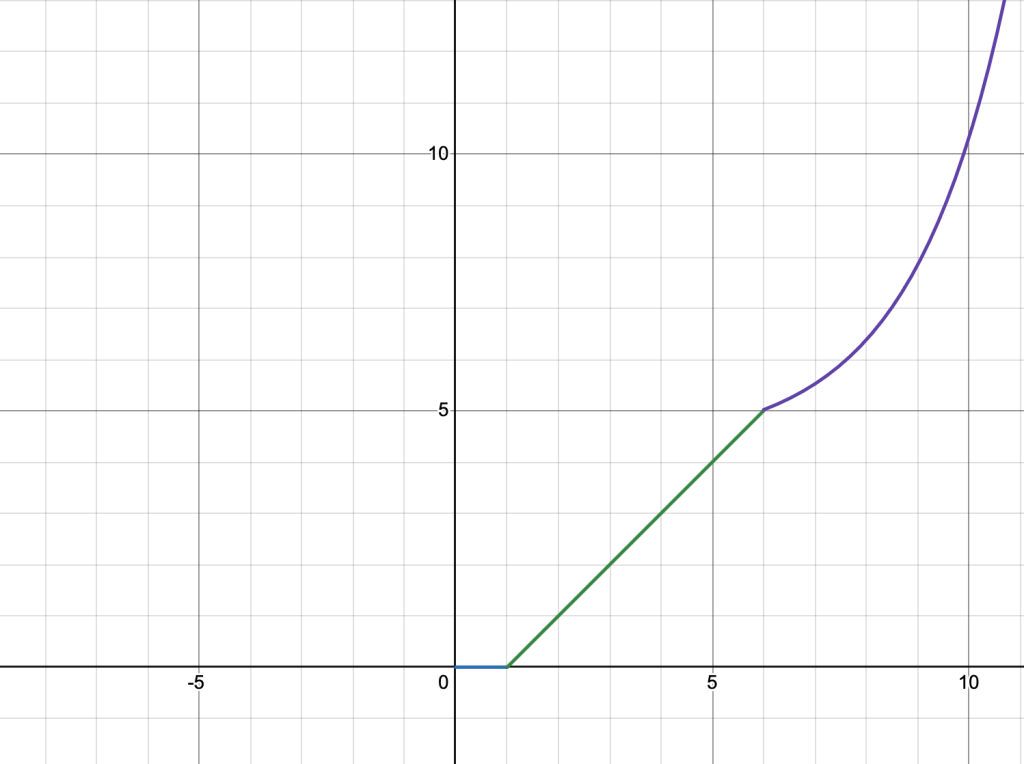
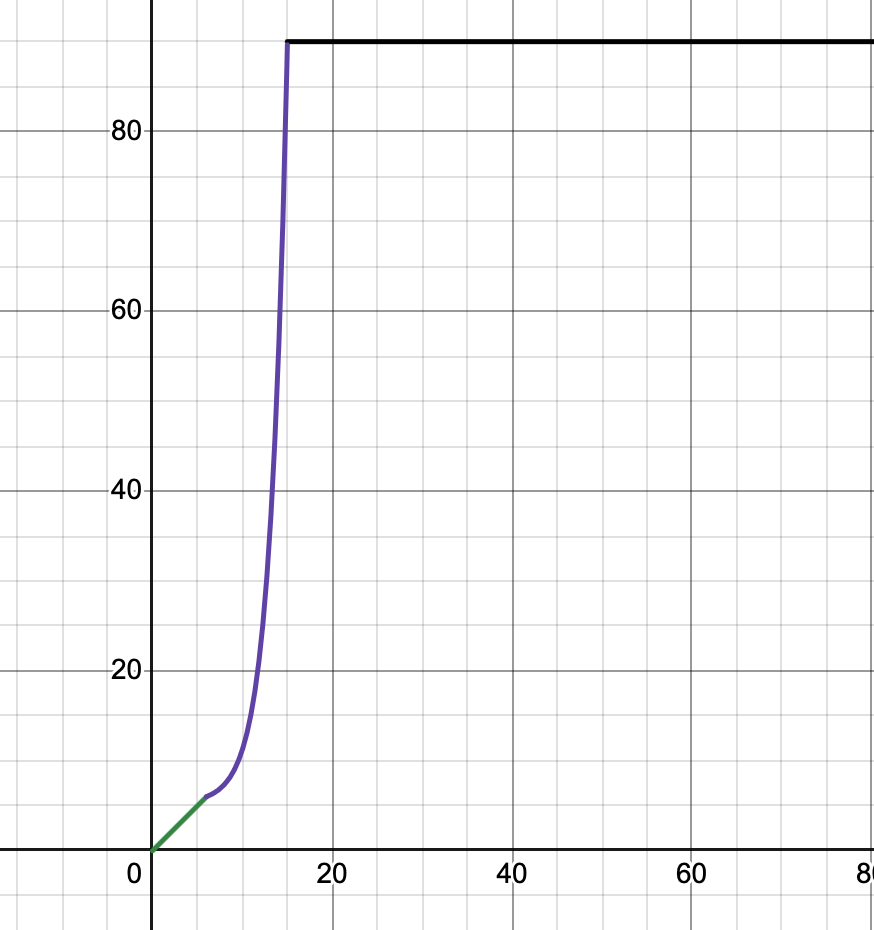
n(t) is zero from t=0 to t=1. Before the Manor Farm (the farm’s original name) was overthrown, there was very little propaganda. The farm had just been overthrown, and the animals were trying to settle themselves in this new society. However, in July, n(t) steadily increases, beginning when Squealer tells the other animals that the milk and apples need to be reserved only for the pigs because of their health, using ethos that the pigs watch over the welfare of the animals, and logos backed by scientific research. This is one of the earliest examples of a power imbalance between the pigs and the other animals shown through propaganda.
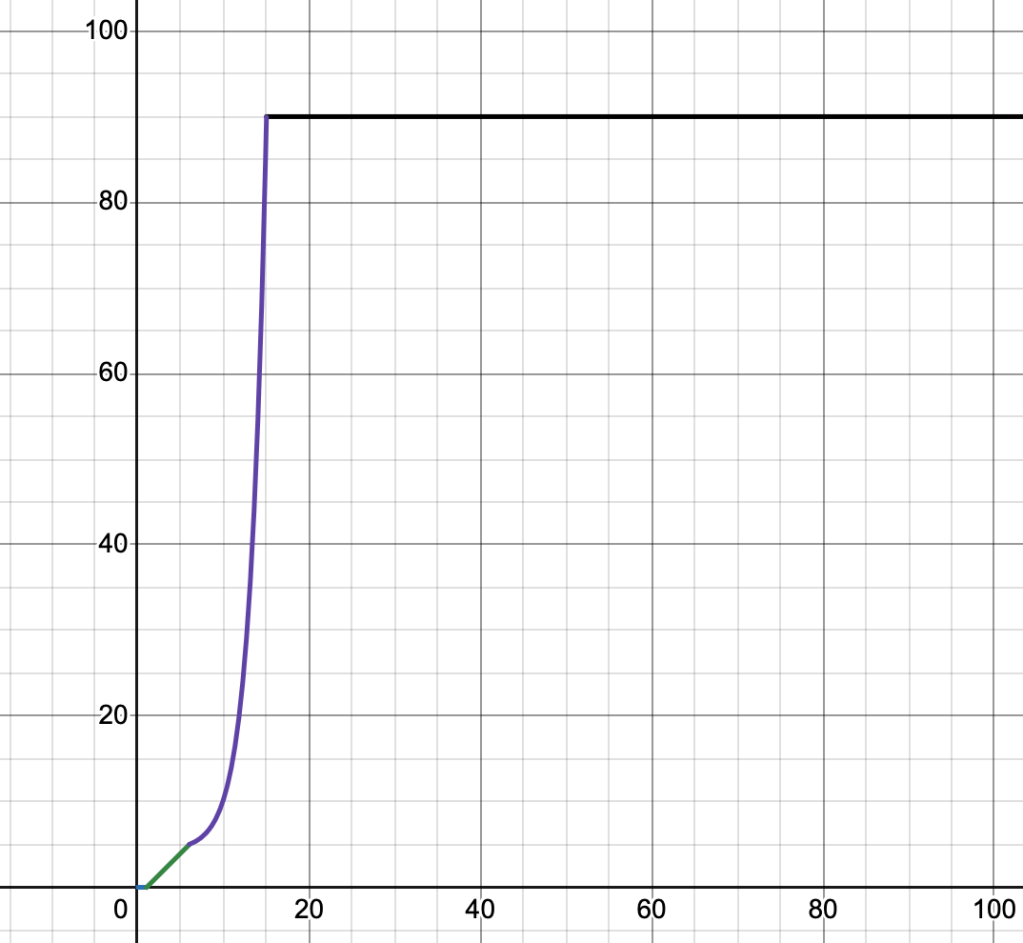
Eventually, n(t) reaches about thirty before January. There is enough propaganda about Animalism to keep the animals sticking together, but not to the point of blind obedience. This changes in January when Snowball is expelled from the Animal Farm by Napoleon’s dogs after winning the majority vote. Here, the society shifts from a democracy to an authoritarian society. The growth of propaganda increases exponentially as Squealer rationalizes the driving out of Snowball and the termination of debates by invoking the fear of Jones’ return to the farm, and changes the narrative definition of Napoleon, Animalism, and Snowball.
Finally, after the executions of animals that were ‘Snowball’s secret agents’ (instance of coercion), the level of propaganda stabilizes around 90 (t=15). This is because after the executions, there is much less resistance to Napoleon’s regime due to fear and a lack of new propaganda. The rules keep being erased and rewritten. Snowball is still seen as a traitor, with his story eventually erased, and the sheep change their tune to accommodate the new rules of Animalism.
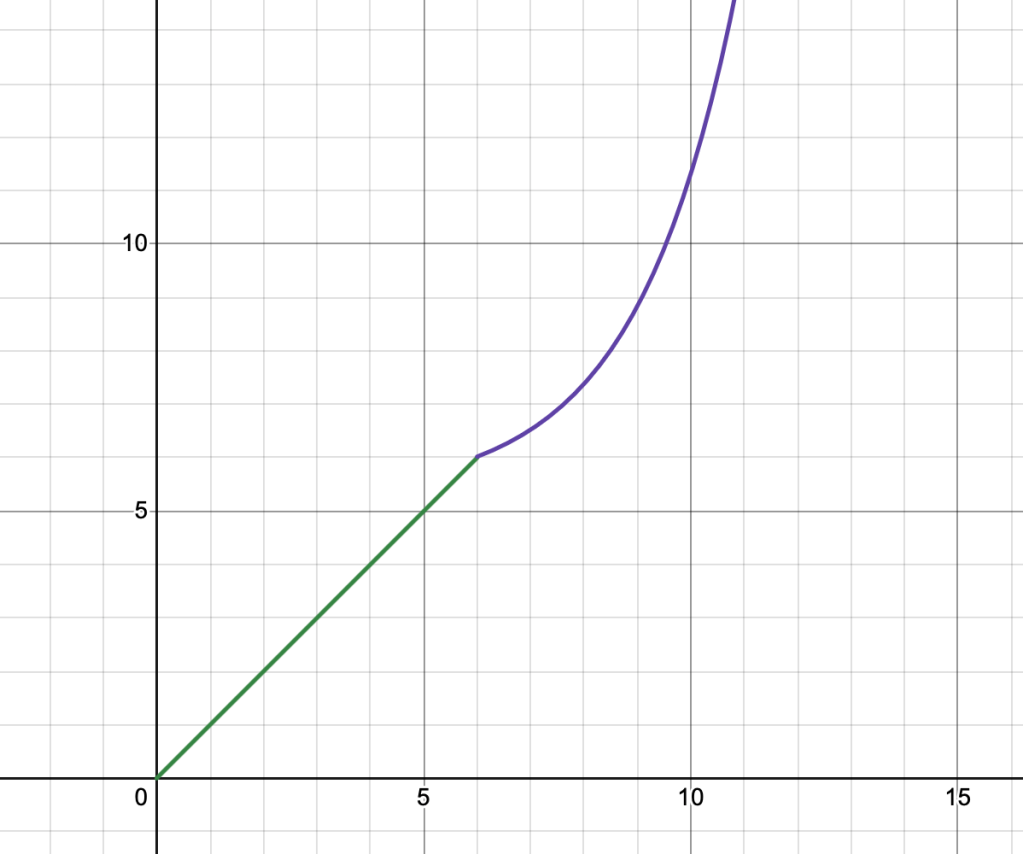
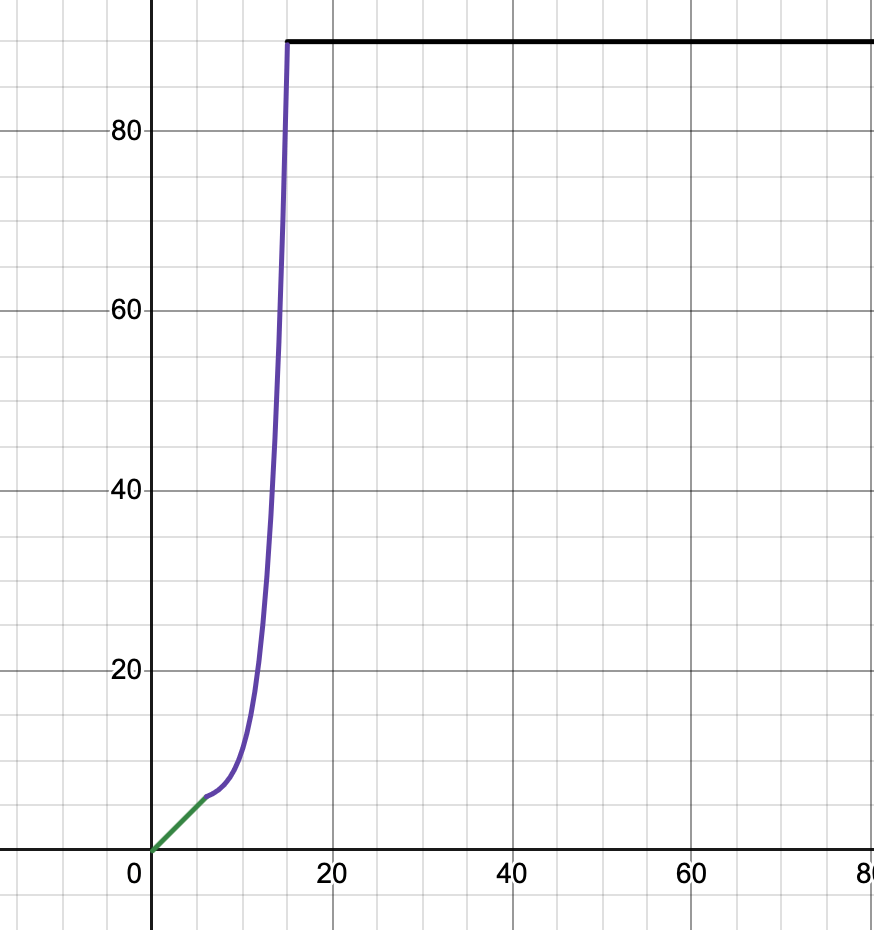
C(t), culture, begins at 0 and steadily rises until January (t=6), when it reaches 20. The normalization of the pigs’ power begins when the animals accept the principles of Animalism and allow the pigs to handle the intellectual side, not involving themselves with those matters. Naturally, this created a power divide that the pigs exploited. However, by that point, everything is not fully normalized, and many have doubts.
Once Snowball is expelled, culture similarly increases exponentially. Snowball becomes a traitor in their eyes, and on the Animal Farm, it becomes normalized to blame Snowball for random bad luck events that happen. A pig, Minimus, who is a poet, writes Animalist (nationalism in Animal Farm) poetry and chants for the others to sing, which normalizes the cultural oppression of Animal Farm and makes them more apt to agree with Napoleon and his ideals. Napoleon is put on a pedestal with new salutations (Comrade Napoleon, Our Leader). This all solidifies Napoleon’s rule, and after the executions, the culture stabilizes. Animalism is proudly supported, and it was expected to believe and obey Napoleon’s words. No true cultural changes occurred, as every new addition to the culture quickly normalized, such as not retiring or the belief in Sugarcandy Mountain. Some cultural adaptations may have been due to fear or ignorance, but the result was that Napoleon was able to solidify power much more easily and quickly.
The level of coercion in Animal Farm constantly increases at a steady rate, which is why v is a linear function. The dogs are aggressive and growl at signs of resistance, which instills fear, and, later in the story, they grow even more aggressive and kill relatively weaker animals for resisting. All rebellions are squashed once food becomes scarce, underscoring the need for obedience out of fear of violence. Additionally, Squealer coerces the animals through the threat of Jones’s return, which they fear because they will do anything to avoid being oppressed again by their former owner, Mr. Jones.
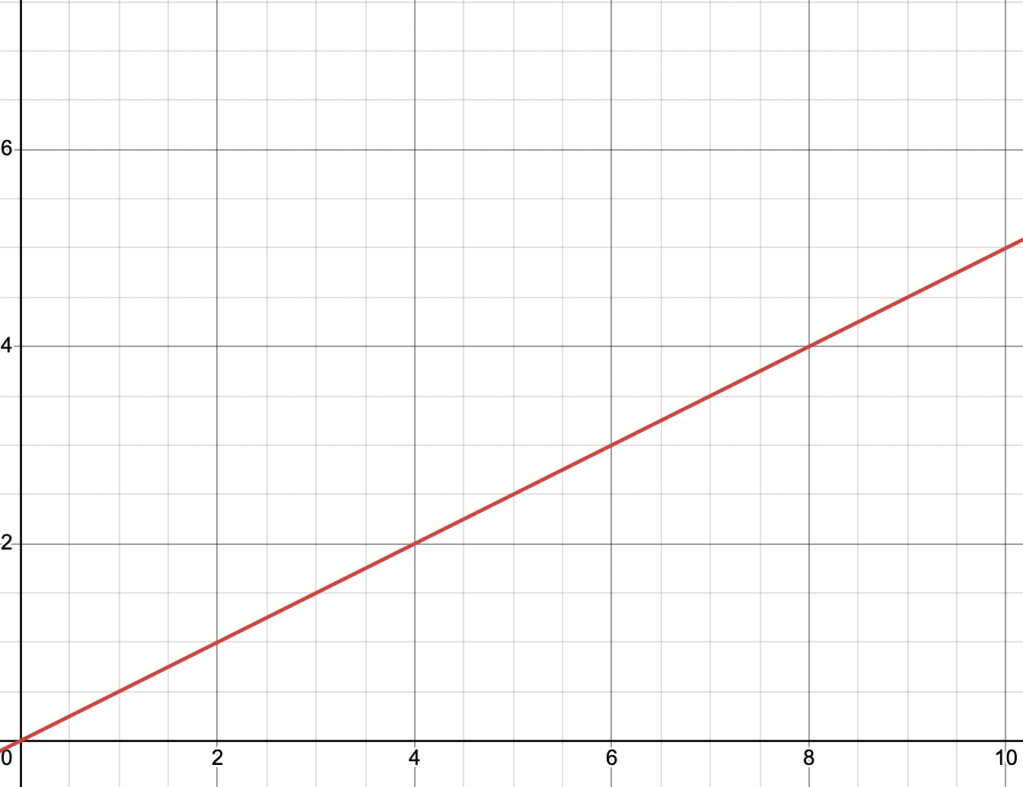
(example of a linear function)
The animals’ ignorance in Animal Farm increases steadily, hence its linear function. The animals believe most of what Napoleon says, and they are easily persuaded and silenced by the propaganda. For example, Boxer believes that everything Napoleon says is right and that he must work harder. The pigs exploit him and his hard work, leading to his eventual demise. The animals’ ignorance and thoughtlessness steadily increase throughout the story as they stop challenging Napoleon’s regime.
The function It does not stay flat because the ignorance is followed by memory or history erasure, where the pigs rewrite the past. This erasure constantly increases ignorance rather than stabilizing or compounding it.
Conclusion
Napoleon’s power continues to increase at a rate much higher than either of the functions because to obtain the y value, each x value is added or multiplied, making his acquisition of power massive. P(t) follows the route of n(t) and c(t), increasing steadily until Snowball’s expulsion and exponentially until the executions. These factors that make up the increase of Napoleon’s power are what grow it. Without propaganda, there is no way Napoleon’s message would have spread to solidify into culture. Without culture, no one would agree to Napoleon’s regime. Without ignorance, every animal on the farm would be too aware and see through the propaganda. The use of coercion keeps the animals afraid to resist. Since this is an allegory of real-life totalitarian and authoritarian societies, P(t) represents how oppression and a revolution can quickly turn into a dictatorship. This is why critical thinking is an important skill today. Power imbalances may not look obvious from the beginning, but it’s better to catch them before they begin to exponentially increase, and coercion is used.
Happy Pi Day and thank you so much for reading 🙂
Next Post will be around mid-late April.
 Socio Mathematics
Leave a comment